Modern Whole-Food Journal — Issue No. 04

Eat Mindfully. Choose Wholesome. Nurture Yourself.

Discover the foundational principles of whole-food nutrition, deepen your understanding of seasonal produce, and cultivate a varied, vibrant plate free from restrictive dogmas.

Vibrant seasonal market harvest with rustic roots and fresh leafy greens
Seasonal Feature November 2026

Vibrant Earth: Autumn Root Systems & Dark Greens

An immersive look into high-density micronutrients found in late-harvest cruciferous vegetables, heirloom grains, and winter roots.

Array of whole grains, ripe stone fruits, and organic seeds arranged meticulously
Nutrition Study

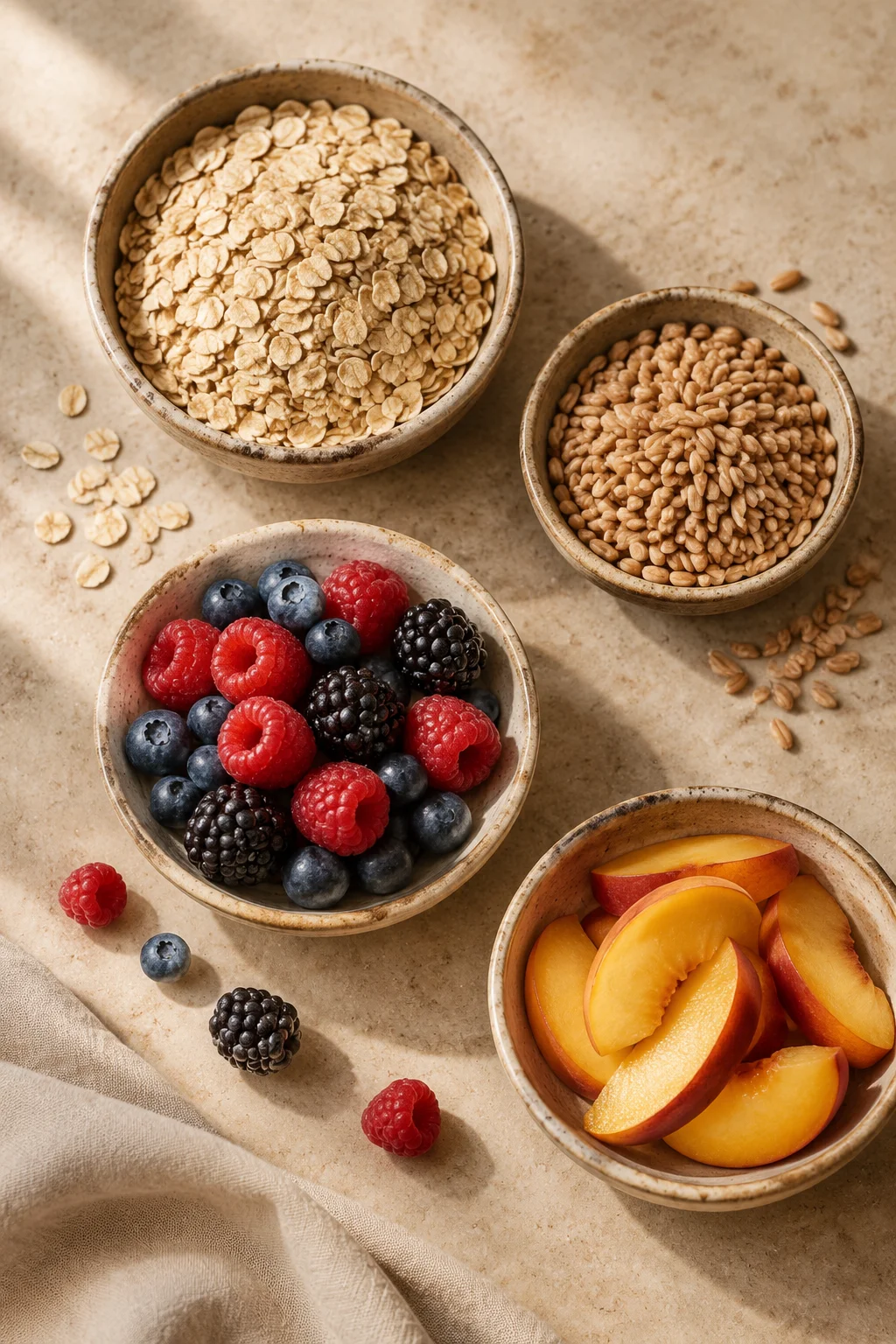
Complex Grains & Sun-Ripened Stone Fruits

Natural fiber diversity, sustained glycemic balance, and phytonutrients for cellular vigor.

Standard 01

Science-Grounded Insights

Evidence-informed perspectives designed to foster healthy relationships with real food.

Standard 02

Practical Daily Habits

Sustainable culinary rituals that seamlessly integrate into busy modern schedules.

Standard 03

Accessible Whole Foods

Celebrating honest, minimally refined staple ingredients readily sourced near you.

True nutrition honors simplicity and authentic ingredients.

What Does Eating Naturally Really Mean?

Foundational Nutrition Principles
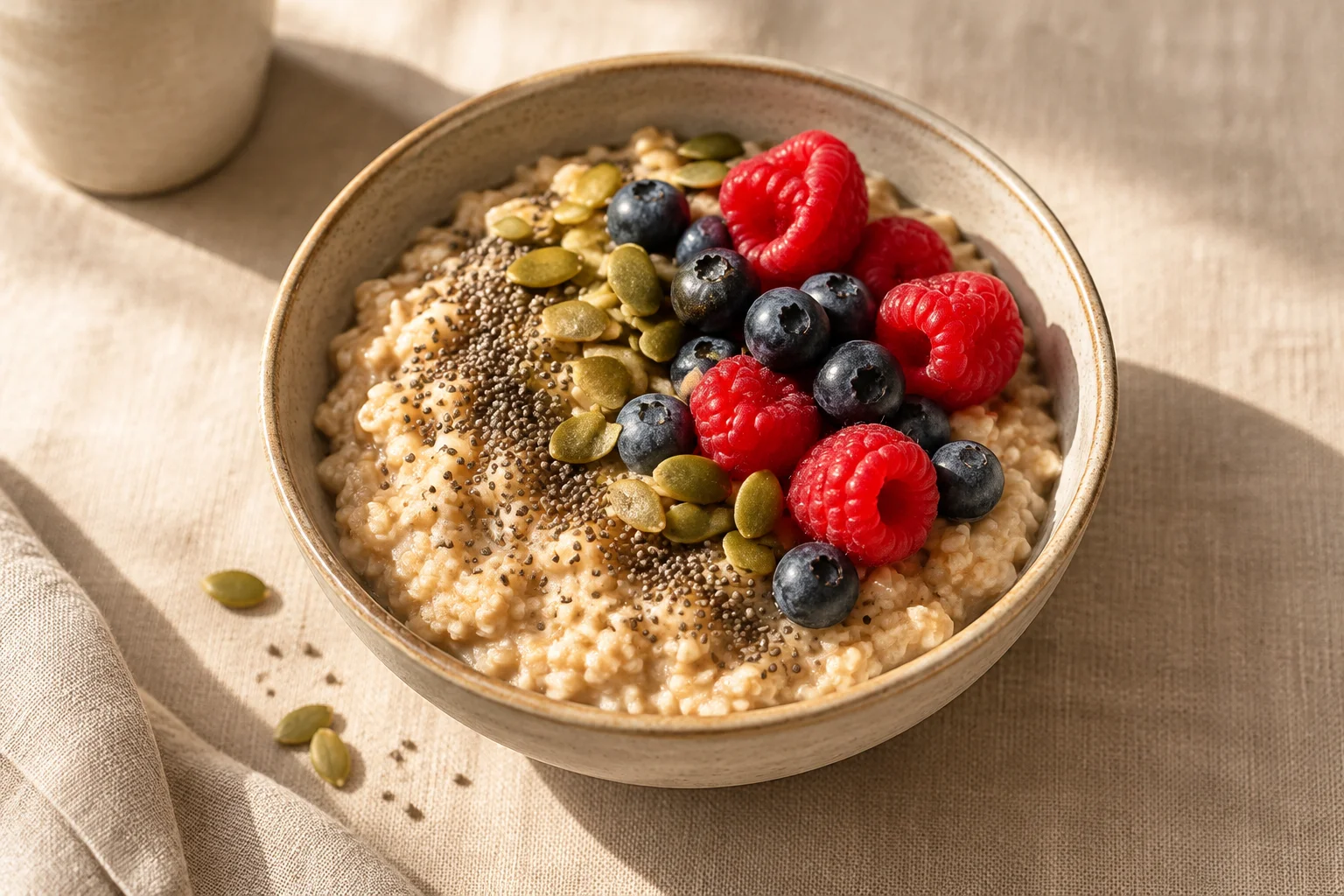
Wholesome breakfast bowl with rolled oats, pumpkin seeds, and fresh berries

A daily balance: whole rolled oats, cold-pressed seed lipids, and raw forest berries providing natural micronutrients in their unrefined cellular state.

The Spectrum of Modern Processing

Natural eating is not an ideology of extreme restrictions, austere fasting, or monastic denial. Rather, it represents an intentional return to nourishment that aligns with human metabolic biology. Modern nutritional science categorizes our food supply along a spectrum of structural integrity, delineating whole matrices from heavily modified extracts.

Unprocessed whole foods—from fibrous root vegetables and heirloom pulses to seasonal orchard fruits—maintain intact cellular architecture, preserving vital co-factors and dietary fibers. Minimally processed staples such as cold-milled stoneground grains, unsweetened fermented dairy, and virgin oils simply undergo physical cleaning or mechanical pressing without stripping bioavailable elements.

Conversely, ultra-processed alternatives reconstruct industrial starches, refined seed oils, artificial texturizers, and synthetic flavor enhancers. These formulations bypass physiological satiety signaling, provoking sustained low-grade inflammation. Genuine wellness blooms through joyful dietary diversity, seasonal whole produce, and restorative meal rituals without punitive dogmatism.

Clinical Editorial • Comprehensive Compendium

Natural & Wholesome Nutrition: The Definitive Guide to Mindful Eating, Ingredient Quality, and Sustainable Daily Habits

“Nutrient density defines the biological dialogue between dietary intake and cellular resilience.”

01. Introduction: Quality of Food in Daily Life

The modern dietary landscape presents an unprecedented paradox: an excess of caloric availability coupled with a pervasive deficit of micronutrient density. In contemporary food ecosystems, convenience has systematically displaced ingredient integrity, resulting in industrialized foodstuffs formulated primarily for shelf stability and hyper-palatability rather than sustained biological vitality.

Opting for whole, naturally cultivated food matrices provides our metabolic apparatus with essential trace minerals, secondary plant metabolites, and unadulterated lipid profiles required for homeostasis. Rather than viewing sustenance as isolated mathematical units of energy, culinary quality honors the complex molecular synergy native to organic food matrices.

“A real food possesses an origin identifiable in nature, retaining its native cellular matrix without artificial alteration.”

02. Defining Natural Foods: Terminology & Classification

Scientific literature increasingly relies on the NOVA classification system to delineate the spectrum of food processing. Unprocessed or minimally processed foods represent agricultural yield in its pristine or mechanically sorted condition—washed, peeled, chilled, or dried without synthetic adjuncts.

Good to Know • NOVA System Primer

Ultra-processed foods (NOVA Group 4) are industrial formulations typically comprising five or more ingredients, systematically incorporating extracted fats, chemically isolated starches, emulsifiers, and artificial flavor agents designed to trigger involuntary over-consumption.

True whole foods deliver a protective matrix: intact cell walls in plant structures regulate carbohydrate release kinetics, while co-occurring dietary fibers facilitate gradual gastric transit and balanced hormonal feedback loops.

“Biodiversity on the plate directly correlates with functional microbiome versatility and physiological balance.”

03. Core Wholesome: Essential Food Groups

A durable nutritional foundation rests upon diverse primary categories that have nourished human civilization for millennia across diverse geographical settings.

  • Cruciferous & Leafy Vegetables: A dense reservoir of sulforaphane precursors, carotenoids, and folate.
  • Whole Intact Grains: Einkorn, wild rice, millet, and whole rolled oats offering sustained complex glucans.
  • Legumes & Pulses: Lentils, chickpeas, and adzuki beans delivering resistant starch and prebiotic oligosaccharides.
  • Cold-Pressed Fats & Unroasted Seeds: Extra virgin olive oil, flaxseeds, walnuts, and pumpkin kernels rich in natural polyphenols.
  • Pasture-Raised & Wild Proteins: Ethically sourced proteins offering complete amino acid spectra without sub-therapeutic antibiotic residues.

“Nutrients do not operate in theoretical isolation; their efficacy depends upon structural botanical and mineral cofactors.”

04. Essential Nutrients: Macronutrients, Fiber, & Micronutrients

The human metabolism relies on a precise hierarchy of organic compounds. Proteins serve structural remodeling; lipids underpin endocrine signalling and neural membrane stability; non-refined carbohydrates fuel bioenergetic pathways without precipitous glycemic spikes.

Nutrient Category Primary Wholesome Source Biochemical Role Recommended Target
Soluble & Insoluble Fiber Legumes, psyllium, root vegetables Microbial SCFA synthesis, gut motility 35g – 50g daily
Omega-3 Polyunsaturates Wild sockeye salmon, chia seeds, walnuts Cellular anti-inflammatory modulation 1.5g – 2.5g daily
Chelated Magnesium Raw cacao, pumpkin seeds, dark greens Enzyme activation, ATP production 320mg – 420mg daily
Polyphenolic Antioxidants Wild blueberries, green tea, aronia Neutralization of reactive oxygen species Broad colorful intake

“If an ingredient list resembles a complex industrial patent, it belongs in a manufacturing plant, not on your kitchen table.”

05. Savvy Grocery Shopping: Ingredient Label Literacy

Marketing slogans on modern packaging frequently disguise refined products behind wholesome monikers like “all-natural” or “artisanal.” True literacy necessitates turning the carton over and scrutinizing the raw ingredient panel.

Avoid items containing hydrogenated oils, chemically modified starches, high-fructose corn syrups, mono- and diglycerides of fatty acids, and maltodextrin. A robust guideline is to seek out single-ingredient goods or transparent formulations where every component is recognizable as an agricultural harvest.

“Visual plate architecture eliminates the tedious burden of calorie counting while ensuring metabolic equilibrium.”

06. Principles of a: Balanced Plate

Rather than relying on tedious micro-measurements, configuring meal geometry creates sustainable adherence. The Harvard Healthy Eating Plate and traditional Mediterranean formats offer validated models.

50% High-Fiber Botanicals

Non-starchy crucifers, seasonal leafy varieties, roasted brassicas, and prebiotic root tubers delivering bulky dietary volume.

25% Clean Protein

Wild line-caught fish, tempeh, regeneratively raised poultry, pasture eggs, or heirloom black lentils.

25% Complex Slow Glucans

Quinoa, black forbidden rice, boiled purple sweet potatoes, or sprouted spelt berries.

Fat Dressing Addition

1-2 tablespoons of cold-pressed extra virgin olive oil, cold-cracked avocado, or unrefined tahini.

“Small, deliberate substitutions in daily kitchen staples compound into profound cellular adaptations.”

07. Healthy Swaps: Everyday Kitchen Staples

Transforming an entire pantry overnight generates resistance. Progressive substitution of refined commodities with functional equivalents ensures an enjoyable transition.

Industrial Staple Wholesome Alternative Nutritional Advantage
Refined Seed Oils (Canola, Corn) Cold-Pressed Extra Virgin Olive Oil / Ghee Resistant to lipid peroxidation, rich in oleocanthal
Bleached Wheat White Flour Sprouted Ancient Grain Flour / Almond Meal Retains germ, bran, and essential B-vitamins
Refined Cane Sugar Syrup Pure Medjool Date Paste / Raw Meadow Honey Contains intrinsic minerals and fiber matrix
Synthetic Table Salt Unrefined Celtic Grey Sea Salt Provides over sixty bioavailable trace electrolytes

“Dogmatic nutritional claims rarely withstand thorough biochemical scrutiny.”

08. Deconstructing: Common Nutrition Myths

Popular culture oscillates rapidly between extreme dietary trends, often confusing whole-food nourishment with commercial marketing dogmas.

Myth Debunked • Dietary Fats

Myth: Dietary fat intake inherently leads to adverse cardiovascular metrics and visceral fat accumulation.
Reality: Intact whole-food dietary fats—such as those found in avocados, extra virgin olive oil, nuts, and cold-water pelagic fish—are critical structural components for cell membranes and steroid hormone synthesis.

Myth Debunked • Carbohydrate Elimination

Myth: All carbohydrates cause systemic inflammation and must be purged entirely.
Reality: The human colonic microbiome thrives on resistant starches, inulin, and non-digestible structural beta-glucans present in legumes and heirloom whole grains.

“Consistency across a twenty-four-hour circadian window anchors blood glucose harmony and hormonal rhythms.”

09. Sample Balanced: Daily Nutritional Menu

The following menu serves as an illustrative daily framework demonstrating the practical integration of whole foodstuffs across ordinary schedules.

“Incremental, persistent micro-adjustments consistently outperform drastic dietary overhauls in long-term human psychology.”

10. Step-by-Step: Dietary Transition Strategy

Rapid, aggressive dietary purges rarely yield durable habit formations. An effective four-week strategy allows behavioral adaptations to solidify effortlessly.

  1. Phase One (Days 1–7): Hydration & Botanical Addition. Maintain current meals but drink clean filtered water upon waking and add two fist-sized portions of fresh greens to main meals.
  2. Phase Two (Days 8–14): Kitchen Pantry Filtration. Systematically replace refined culinary seed oils and ultra-processed breakfast cereals with extra virgin olive oil, eggs, and intact grains.
  3. Phase Three (Days 15–21): Legume & Fiber Expansion. Introduce diverse pulses, tempeh, or soaked beans three times per week to cultivate diverse microbiome phyla.
  4. Phase Four (Days 22–28): Mindful Sensory Eating. Eliminate device distraction during meals, chew thoroughly, and allow biological satiety signals to regulate termination of intake.

“Obsessive dietary perfectionism is itself an anti-nutritional psychological stressor.”

11. Pitfalls to Avoid: When Starting Your Journey

While enthusiasm is natural at the outset, common misconceptions can impede physiological equilibrium and social enjoyment.

  • The “Health-Halo” Effect: Over-consuming packaged organic snacks that, while natural, are nevertheless calorically dense and laden with isolated syrups.
  • Abrupt Fiber Surges: Multiplying dietary fiber by 400% within 48 hours without proportional water consumption, causing gastrointestinal distress.
  • Nutritional Isolationism: Refusing to participate in communal social meals due to minor non-compliance with ideal standards.
  • Neglecting Adequate Satiety: Cutting all refined items while failing to replace them with adequate healthy lipids, inducing severe reactive hunger.

“Nourishment is an enduring life ritual, not a thirty-day therapeutic intervention.”

12. Conclusion: Long-Term Perspective

A genuine relationship with wholesome nutrition transcends fleeting aesthetic fads and dogmatic rules. It is an intentional habit rooted in respect for ecological origins, seasonal produce rhythms, and internal biological cues. By aligning our plates with unprocessed, vibrant ingredients, we foster a resilient physiological environment that sustains lifelong mental focus and physical vitality.

Scientific Reference Citations

  1. Monteiro, C.A., et al. (2019). “Ultra-processed foods: what they are and how to identify them.” Public Health Nutrition, 22(5), 936–941.
  2. Sonnenburg, J.L., & Bäckhed, F. (2016). “Diet-microbiota interactions as moderators of human metabolism.” Nature, 535(7610), 56–64.
  3. Estruch, R., et al. (2018). “Primary Prevention of Cardiovascular Disease with a Mediterranean Diet.” New England Journal of Medicine, 378(25), e34.
  4. Willett, W., et al. (2019). “Food in the Anthropocene: the EAT–Lancet Commission on healthy diets from sustainable food systems.” The Lancet, 393(10170), 447–492.
“A balanced plate is not about restriction—it is the architectural blueprint of sustained vitality and metabolic harmony.”

Balanced Plate Builder

Assemble your personalized daily meal based on evidence-backed nutritional distribution: half your plate rich in leafy greens and vegetables, one quarter dedicated to slow-burning whole carbohydrates, one quarter reserved for clean proteins, complemented by essential cold-pressed lipids.

Select Whole Food Ingredients

Tap ingredients in each pillar to construct your balanced meal architecture.

1. Vegetables & Leafy Greens

50% Target Plate Volume

Vitamins, phytonutrients, and soluble prebiotic fiber.

2. Complex Carbohydrates

25% Target Plate Volume

Slow-glycemic endurance fuel and sustained energy.

3. Clean Nutrient Proteins

25% Target Plate Volume

Essential amino acids for muscular tissue repair and enzymes.

4. Healthy Fats & Oils

Nutrient Accent (1-2 Tbsp)

Cellular membrane integrity and fat-soluble vitamin uptake.

Architectural Breakdown

Visual proportion adherence to whole-food metabolic standards.

50% Greens & Veggies2 selected
25% Whole Carbs1 selected
25% Clean Protein1 selected
Essential Lipids1 selected
Curated Meal BalanceOptimally Balanced
Evidence-Based Note:This composition promotes stabilized blood glucose response while maximizing systemic antioxidant absorption.

“Whole, living foods carry an unbroken chain of cellular information directly to the human gut.”

Wholesome Food Categories Overview

Four foundational pillars of natural nourishment, curated for metabolic vitality and clean daily sustained energy.

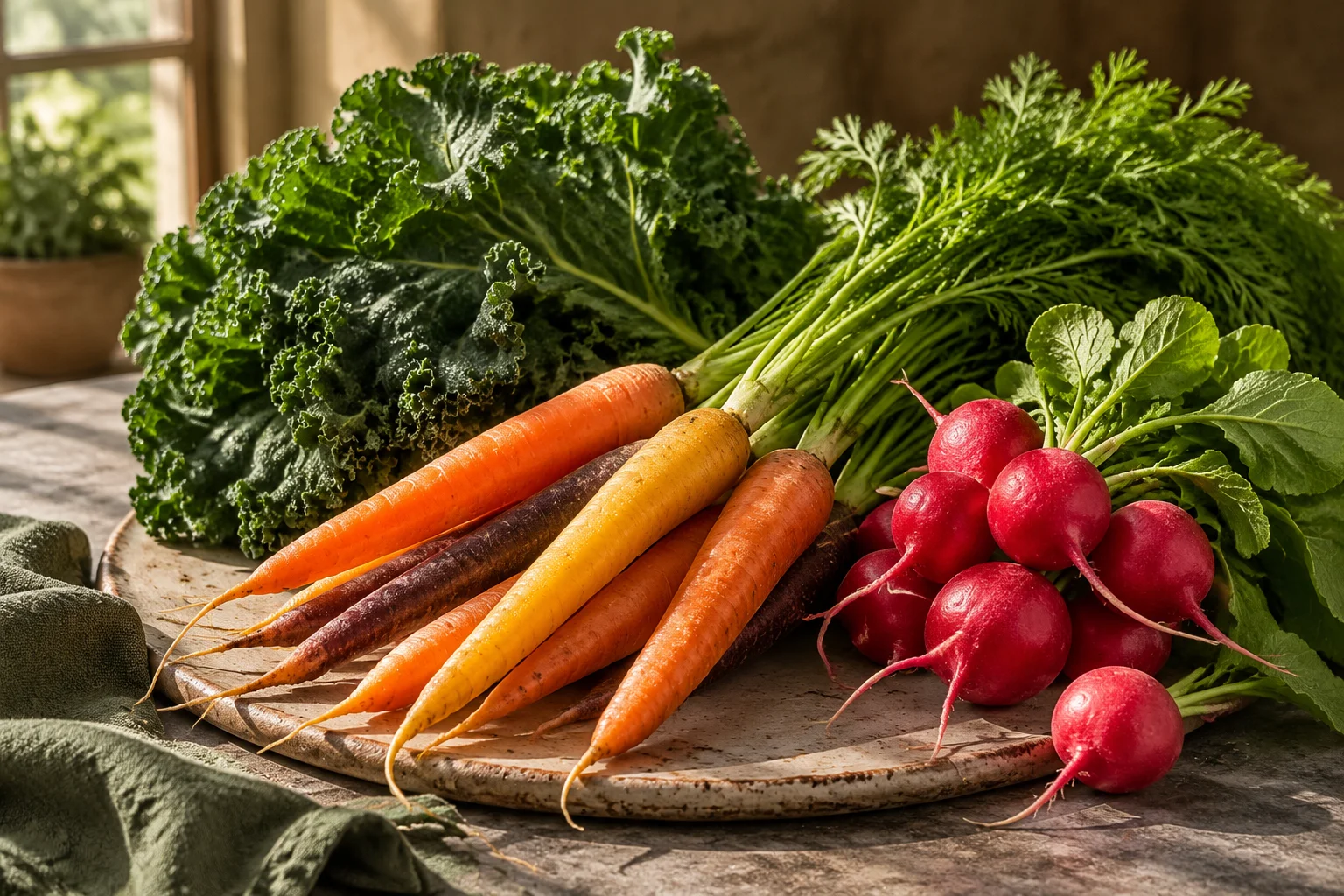
Fresh seasonal vegetables and wild berries arranged on rustic linen
Pillar 01
“Vibrancy mirrors cellular richness.”

Vegetables & Fruits

Unprocessed botanical varieties teeming with live enzymes, deep color spectrums, and natural moisture balance.

  • Fiber Density: High insoluble matrix promoting colon health.
  • Phytonutrient Spectrum: Anthocyanins, carotenoids, and polyphenols.
  • Seasonal Vibrancy: Peak vitamin preservation through local harvesting.
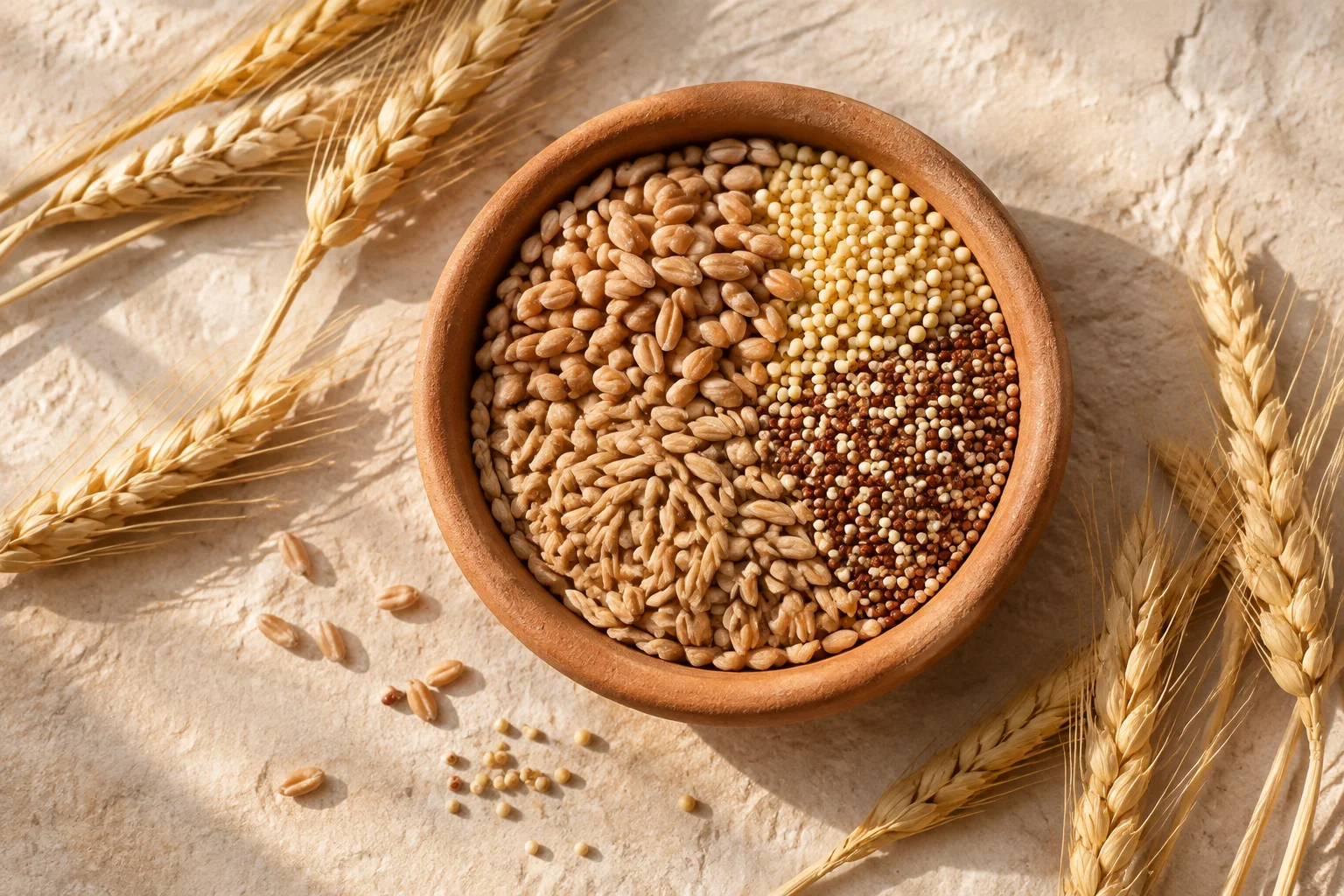
Raw ancient grains and heirloom cereals in an earthen bowl
Pillar 02
“Slow burning endurance from ancient soils.”

Whole Grains & Cereals

Intact kernels retaining endosperm, germ, and bran for steady cellular fuel throughout the entire day.

  • Complex Carbohydrates: Multi-branched starches for sustained energy.
  • Sustained Glucose Release: Gentle insulin response without afternoon crashes.
  • Soluble Fiber: Beta-glucans that support circulatory balance.
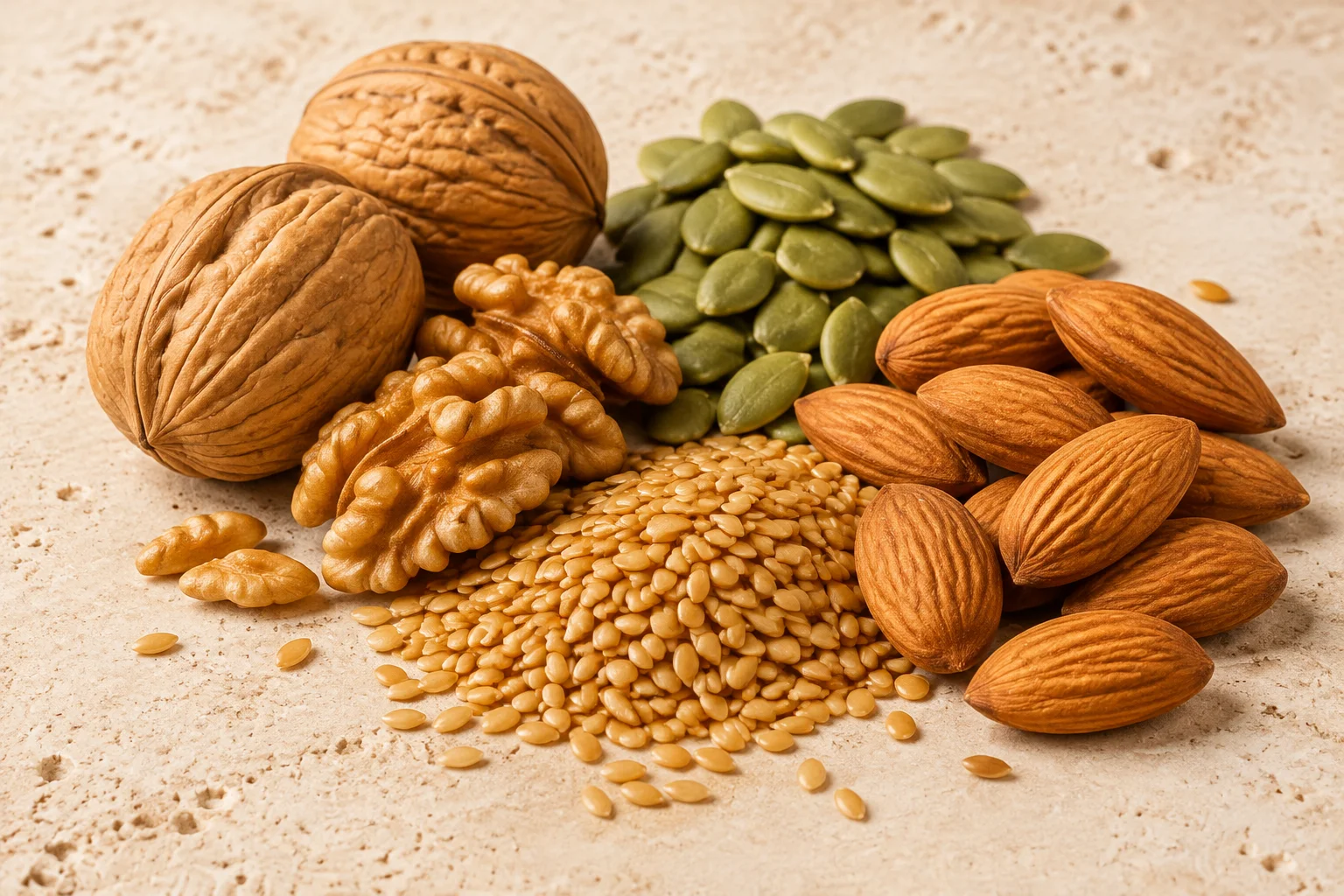
Assorted organic raw nuts and nutrient-rich seeds on light stone surface
Pillar 03
“Dense biological reserves in micro packages.”

Raw Nuts & Seeds

Unroasted, unsalted lipid sources offering vital cellular building blocks and protective trace minerals.

  • Omega Fatty Acids: Optimal alpha-linolenic acid for cellular membranes.
  • Magnesium: Critical enzymatic cofactor supporting muscular relaxation.
  • Selenium & Zinc: Trace mineral foundations for endocrine function.
Heirloom Staples

Deep root nutrition directly from symbiotic legumes.

Pillar 04
“The ancestral foundation of microbial diversity.”

Legumes & Pulses

Slow-cooked lentils, chickpeas, and beans providing bioavailable amino structures and resistant starches.

  • Plant-Based Proteins: Balanced profile supporting tissue rejuvenation.
  • Prebiotic Fibers: Fuel for healthy intestinal microbiota colonies.
  • Slow Fermentation: Sustained generation of beneficial short-chain fatty acids.

“To understand the intrinsic value of whole food is to reclaim stewardship over metabolic vitality and everyday cellular renewal.”

— The Whole Nutrition Archive

Nutritional Directory What Is Inside Your Food?

Explore evidence-based micro and macronutrient distributions per 100g serving, complete with thermal preparation protocols and pantry longevity benchmarks.

“Rich in soluble beta-glucans and unique avenanthramide polyphenols.”

Steel-Cut Oats

379 kcal / 100g

Raw Whole Groat Form

Macronutrient Profile (per 100g)
13.2gProtein6.5gFats67.7gCarbs10.1gFiber
Bio-availability Factor

Phytic acid content decreases by 42% after an 8-hour pre-soak with an acidic medium, boosting zinc and iron assimilation.

Optimal Culinary Protocol

Simmer 1:3 ratio in spring water for 25 minutes; maintain below rolling boil to preserve delicate water-soluble polysaccharides.

Pantry Storage Best Practice

Airtight dark glass canister in a cool, dark cupboard below 18°C. Stable for up to 12 months.

“A robust pseudo-cereal loaded with bioflavonoid rutin and bioavailable magnesium.”

Whole Buckwheat Groats

343 kcal / 100g

Unroasted Raw Seeds

Macronutrient Profile (per 100g)
13.3gProtein3.4gFats71.5gCarbs10.0gFiber
Bio-availability Factor

Contains high concentrations of rutin; soaking activates phytase to liberate copper and manganese cofactors.

Optimal Culinary Protocol

Rinse thoroughly, steam in 1:2 water volume for 15 minutes covered, then steam-rest off heat for 10 minutes for tender texture.

Pantry Storage Best Practice

Store in moisture-sealed ceramic crocks; inspect quarterly for ambient humidity migration. Stable 10–14 months.

“Sprouting unlocks bound folate and non-heme iron while degrading oligosaccharides.”

Sprouted Brown Lentils

106 kcal / 100g

Freshly Germinated (48h)

Macronutrient Profile (per 100g)
9.0gProtein0.6gFats22.1gCarbs4.4gFiber
Bio-availability Factor

Germination breaks down enzyme inhibitors and unleashes endogenous vitamin C, accelerating botanical iron absorption.

Optimal Culinary Protocol

Briefly blanch in salted boiling water for 90 seconds or toss raw into balanced herbal vinaigrettes.

Pantry Storage Best Practice

Refrigerate in breathable perforated glass containers at 3–5°C. Consume within 5 days.

“Wild anaerobic lacto-fermentation transforms raw cabbage into a living microbiome tonic.”

Raw Wild Sauerkraut

19 kcal / 100g

Unpasteurized Barrel Fermented

Macronutrient Profile (per 100g)
0.9gProtein0.1gFats4.3gCarbs2.9gFiber
Bio-availability Factor

High lactic acid content lowers gut pH, fostering microbial colonisation and synthesizing bioavailable menaquinone (K2).

Optimal Culinary Protocol

Never apply heat above 42°C. Add to plated dishes immediately before serving to preserve alive probiotic cultures.

Pantry Storage Best Practice

Keep fully submerged under its natural brine inside chilled hermetic jars. Consistently stored at 2–6°C up to 6 months.

No nutritional profiles match your selected search criteria.

“Contrasting whole groats side by side reveals distinct cellular structures, digestive trajectories, and culinary roles.”

Comparative Analysis: Pantry Staples

Direct side-by-side benchmark between two foundational cold-climate whole grains.

Nutritional & Practical Metric Steel-Cut Oats Whole Buckwheat Groats
Botanical Family Poaceae (true grass genus Avena) Polygonaceae (pseudocereal genus Fagopyrum)
Caloric Density (100g dry) 379 kcal 343 kcal
Primary Bioactive Compounds Oat beta-glucan (soluble dietary fiber) and anti-inflammatory avenanthramides. Rutin bioflavonoids, quercetin, and chiro-inositol complexes.
Protein & Amino Integrity High in avenalin, moderate in lysine; sustained release profile. Complete amino acid profile containing all nine essential aminos including high lysine.
Glycemic Response Rate Low (GI approximately 52) due to viscous intact endosperm barriers. Low to Moderate (GI approximately 45–51) with resistant starch formation.
Digestive Optimization Technique Overnight lacto-acidic soak with water and lemon juice or organic whey. Cold-water activation soak followed by thorough rinsing to purge surface fagopyrin.
Texture in Culinary Use Creamy foundation with dense, nutty, chewy resilience. Tender, distinct grains with earthy undertones and fluffy separation.
Pantry Stability Benchmarks Up to 12 months stored away from direct sunlight at stable ambient humidity. Up to 14 months when shielded from heat and stored in hermetic glass.

Sustainable Lifestyle Shifts

Small Sustainable Shifts That Endure

“True well-being is not forged through radical overhauls, but via quiet, deliberate practices repeated with patience.”
“

Nature signals protective nutrients through varied seasonal hues on your plate.

1. Color Diversity in Seasonal Veggies

→
“

Intact grains anchor steady focus while providing cellular vitality all afternoon.

2. Prioritizing Unrefined Whole Grains

→
“

Morning hydration restores inner balance and gently wakes metabolic pathways.

3. Mindful Daily Hydration

→
“

Intentional preparation in the market protects your culinary freedom at home.

4. Pre-Shopping Meal Checklists

→
“

Reading labels transparently is an act of deep discernment for lifelong health.

5. Scrutinizing Ingredient Lists for Hidden Sugars

→
“

Honoring satiety signals gently aligns nourishment with genuine internal need.

6. Intuitive Portion Attunement

→
“

True nourishment is not about strict restraint, but the steady compounding of microscopic conscious choices made at the table every single morning and evening.

Your Daily Step Toward Mindful Eating

Engage with our foundational micro-actions to track conscious digestion and ingredient presence throughout your day.

Mindful Daily Completion0%
Ready to begin your mindful nutrition ritual.
“Evidence-based nourishment begins by dismantling folklore with peer-reviewed biochemics.”

Nutritional Realities: Myths Displaced by Modern Nutritional Science

Unpacking conventional kitchen dogmas through empirical evidence, metabolic biochemistry, and dietary consensus.

Common Misconception

“Products labeled Organic are universally more nutritious.”

Pervasive supermarket psychology equates organic certifications directly with superior micronutrient density and total metabolic superiority over conventional equivalents.

Scientific Fact

Processing degree and post-harvest handling dictate nutrient retention.

Systematic reviews confirm that soil management marginally influences core vitamin volumes compared to post-harvest duration, kitchen heat application, and industrial ultra-refining. A minimally processed local plant consistently outperforms an ultra-processed packaged organic item.

Peer Reference: Clinical Nutrition Meta-Analyses
Common Misconception

“Carbohydrates must be excluded for optimal wellbeing.”

Fad paradigms consistently villainize the entire saccharide spectrum, misattributing cellular metabolic dysfunction strictly to the ingestion of natural starches.

Scientific Fact

Unrefined complex grains and tubers deliver vital prebiotic substrates.

Intact cellular carbohydrates contain resistant starches and hemicellulose that fuel colonic fermentation into short-chain fatty acids (SCFAs). Excluding whole botanical carbohydrates starves keystone microbiome phyla and compromises endocrine homeostasis.

Peer Reference: Gut Microbiota & Host Metabolism Cohort
Common Misconception

“Flash-frozen vegetables lose their essential vitamins.”

Widespread grocery intuition assumes sub-zero storage damages organic tissue structures and diminishes water-soluble vitamin concentrations relative to raw produce aisles.

Scientific Fact

Blast freezing locks in peak micronutrients better than shelf-aging.

Field crops destined for cryogenic freezing are gathered at botanical maturation and preserved within hours. Conversely, produce transported over transcontinental logistics chains suffers progressive photolysis and enzymatic breakdown of ascorbic acid and carotenoids.

Peer Reference: Journal of Food Composition and Analysis
Common Misconception

“Wholesome eating is prohibitively expensive for most.”

Commercial wellness culture often showcases premium exotic superfoods, implying that biological longevity demands high expenditure on proprietary botanical extracts.

Scientific Fact

Seasonal produce, pulses, and whole grains offer supreme nutrient-to-cost value.

The fundamental nutritional triad—dry legumes, whole tubers, and regional seasonal crucifers—provides unrivaled ratios of polyphenols, minerals, and complex fiber per expenditure unit. Expensive adaptogens remain ancillary additions rather than metabolic necessities.

Peer Reference: Public Health Nutrition Expenditure Metrics

“Understanding what enters your body transforms deliberate nourishment into effortless everyday practice.”

Essential Inquiries. Clarity on whole nourishment and sustained habits.

Evidence-informed perspectives addressing the common realities, practical adjustments, and fundamental mechanics of natural eating.

Whole foods refer to edible items consumed in or near their untouched state without industrial refining or artificial additives, such as intact grains, raw legumes, and fresh greens. Certified organic goods, conversely, reflect a legal agricultural standard certifying the absence of synthetic fertilizers, chemical pesticides, and bioengineering. A whole food is not inherently organic, and organic processed foods remain refined; the optimal foundation begins with unadulterated whole ingredients regardless of commercial certification.

Prioritizing nutrient density is often far more economical than relying on convenience items. Dry staples such as brown lentils, chickpeas, steel-cut oats, and brown rice provide exceptional biological value at minimal expense. Combining these foundation crops with in-season vegetables, local roots, and bulk seeds keeps grocery expenditures predictable while establishing a balanced nutrient profile.

Inspect the ingredient roster before reviewing caloric metrics. Ingredients are ordered by total mass; concise lists comprising recognizable, unrefined elements signal minimal processing. Watch for concealed sweeteners masquerading under scientific terms, industrial emulsifiers, and hydrogenated lipid sources. If dietary fiber constitutes a notable proportion of total carbohydrates, the food generally sustains balanced metabolic response.

Biological context defines sugar assimilation. Intact fruits deliver simple carbohydrates bound to structural plant fibers, water, and essential micronutrients, creating a slow gastrointestinal release. Isolated syrups and added crystalline sugars, by comparison, enter the bloodstream rapidly without digestive buffers. Completely removing naturally occurring sugars in raw botanicals is rarely necessary for healthy individuals; minimizing isolated and added syrups yields primary advantages.

Commercially frozen produce is routinely harvested at peak ripeness and flash-frozen within hours, locking in water-soluble vitamins, polyphenols, and active enzymes. In many instances, frozen greens and berries exhibit higher antioxidant retention than fresh produce subjected to prolonged refrigerated transit and supermarket display shelves. They represent an outstanding, nutrient-preserving culinary alternative.

Separate ethylene gas producers such as apples and ripe bananas from sensitive items like dark leafy greens and tender roots. Store hearty greens unwashed with breathable fabric towels in airtight glass containers to moderate humidity. Tubers, whole onions, and winter squash thrive in cool, dark pantries away from surface moisture, while soft culinary herbs keep best when stem-immersed in modest water vessels.

Introduce half a plate of colorful raw or steamed botanical vegetables to your two principal meals every day before attempting restrictive subtractions. Cultivating abundance in natural fiber, micronutrients, and hydration naturally displaces ultra-processed fillers, stabilizing energy curves and gut ecology without inducing behavioral resistance.

Sustainable Nutrition

Wholesome Nutrition Begins With Informed Choices, Not Deprivation.

Empower your daily meals with transparent, scientific knowledge and sustainable habits that stand the test of time.

“Honest dialogue and responsible nutritional reporting begin with open discourse between curious readers and our editorial team.”

Editorial Office & Reader Desk

Direct Inquiries and Reader Correspondence

Submit an Inquiry or Feedback