“Nutrient density defines the biological dialogue between dietary intake and cellular resilience.”
01. Introduction: Quality of Food in Daily Life
The modern dietary landscape presents an unprecedented paradox: an excess of caloric availability coupled with a pervasive deficit of micronutrient density. In contemporary food ecosystems, convenience has systematically displaced ingredient integrity, resulting in industrialized foodstuffs formulated primarily for shelf stability and hyper-palatability rather than sustained biological vitality.
Opting for whole, naturally cultivated food matrices provides our metabolic apparatus with essential trace minerals, secondary plant metabolites, and unadulterated lipid profiles required for homeostasis. Rather than viewing sustenance as isolated mathematical units of energy, culinary quality honors the complex molecular synergy native to organic food matrices.
“A real food possesses an origin identifiable in nature, retaining its native cellular matrix without artificial alteration.”
02. Defining Natural Foods: Terminology & Classification
Scientific literature increasingly relies on the NOVA classification system to delineate the spectrum of food processing. Unprocessed or minimally processed foods represent agricultural yield in its pristine or mechanically sorted condition—washed, peeled, chilled, or dried without synthetic adjuncts.
Good to Know • NOVA System Primer
Ultra-processed foods (NOVA Group 4) are industrial formulations typically comprising five or more ingredients, systematically incorporating extracted fats, chemically isolated starches, emulsifiers, and artificial flavor agents designed to trigger involuntary over-consumption.
True whole foods deliver a protective matrix: intact cell walls in plant structures regulate carbohydrate release kinetics, while co-occurring dietary fibers facilitate gradual gastric transit and balanced hormonal feedback loops.
“Biodiversity on the plate directly correlates with functional microbiome versatility and physiological balance.”
03. Core Wholesome: Essential Food Groups
A durable nutritional foundation rests upon diverse primary categories that have nourished human civilization for millennia across diverse geographical settings.
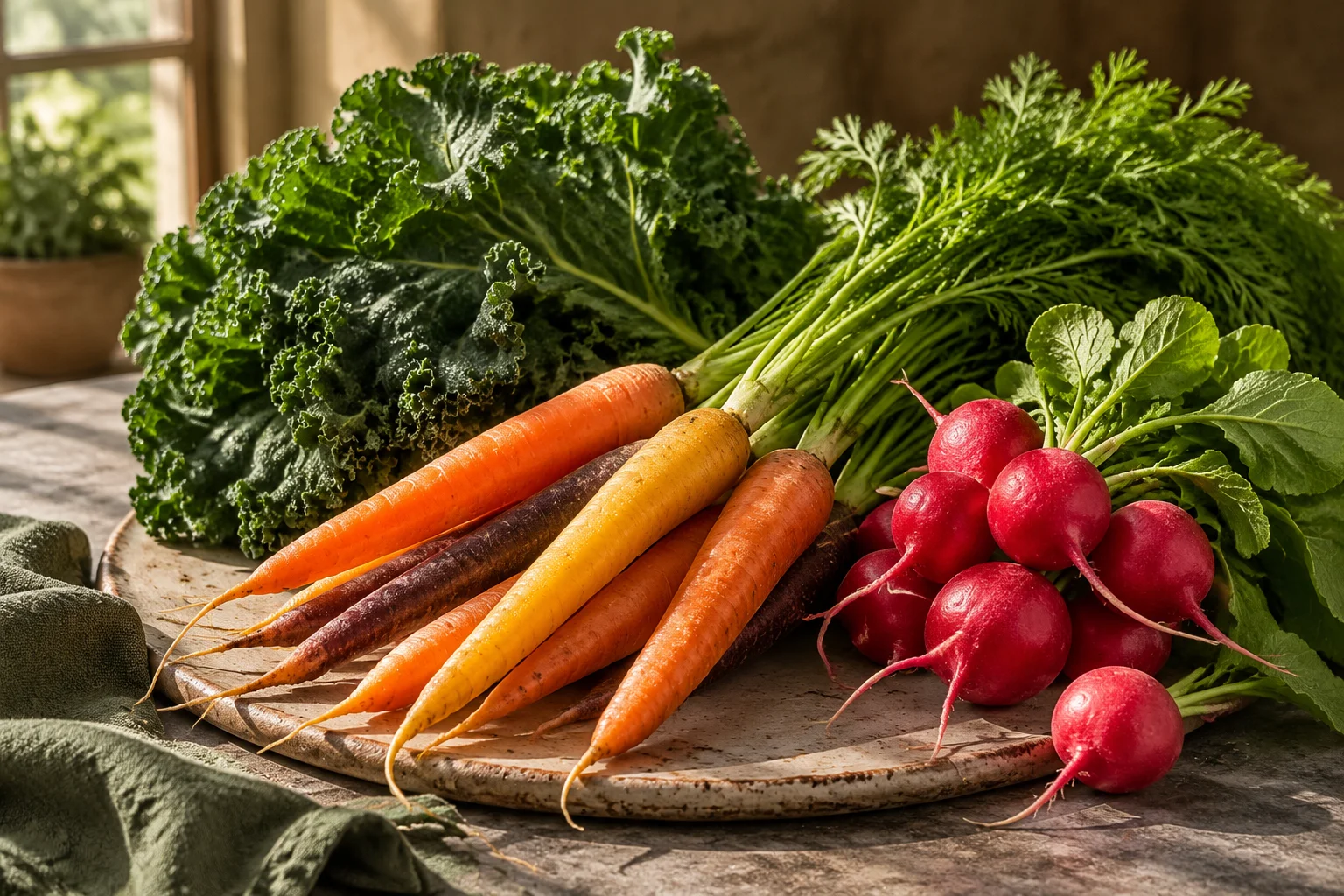
- Cruciferous & Leafy Vegetables: A dense reservoir of sulforaphane precursors, carotenoids, and folate.
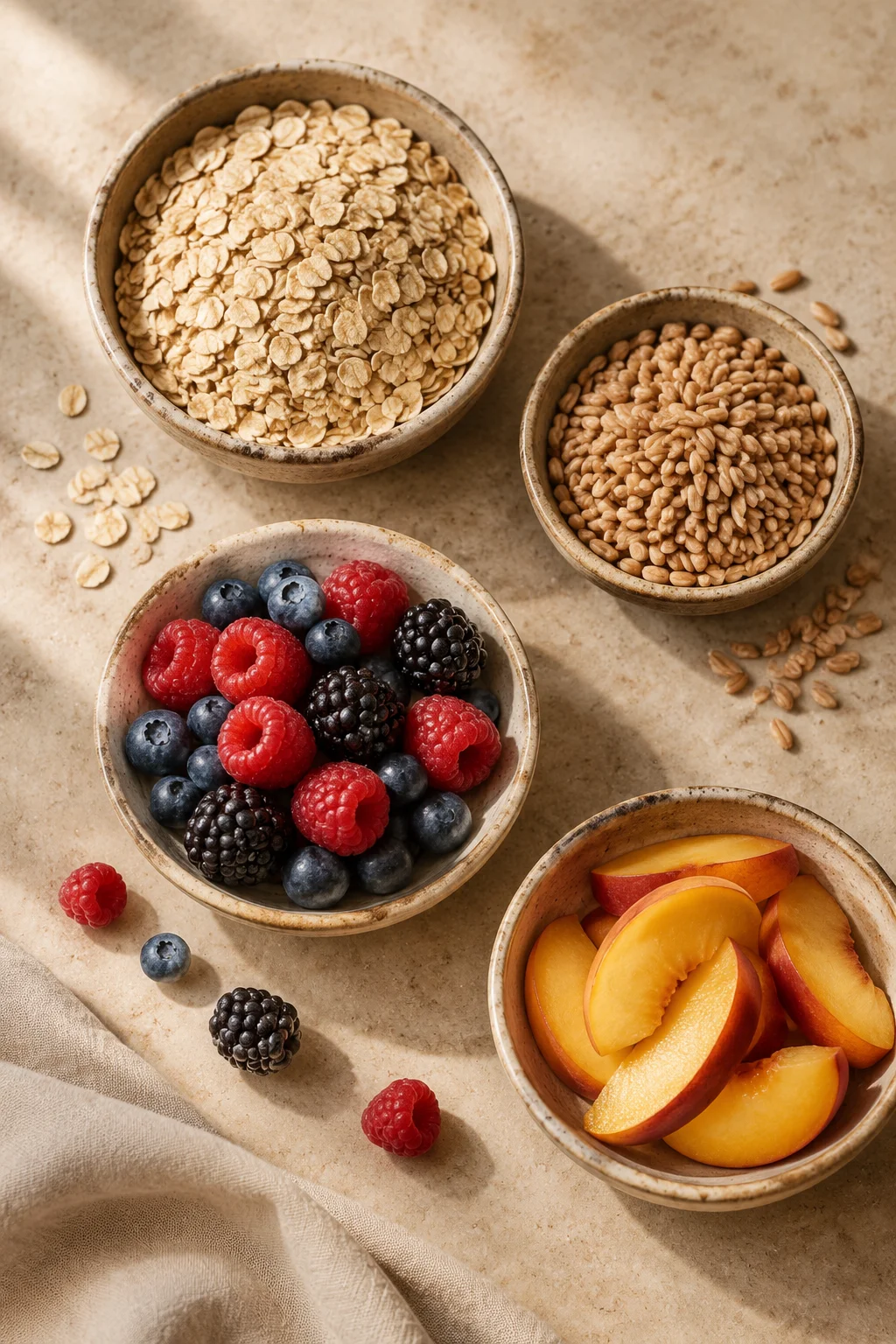
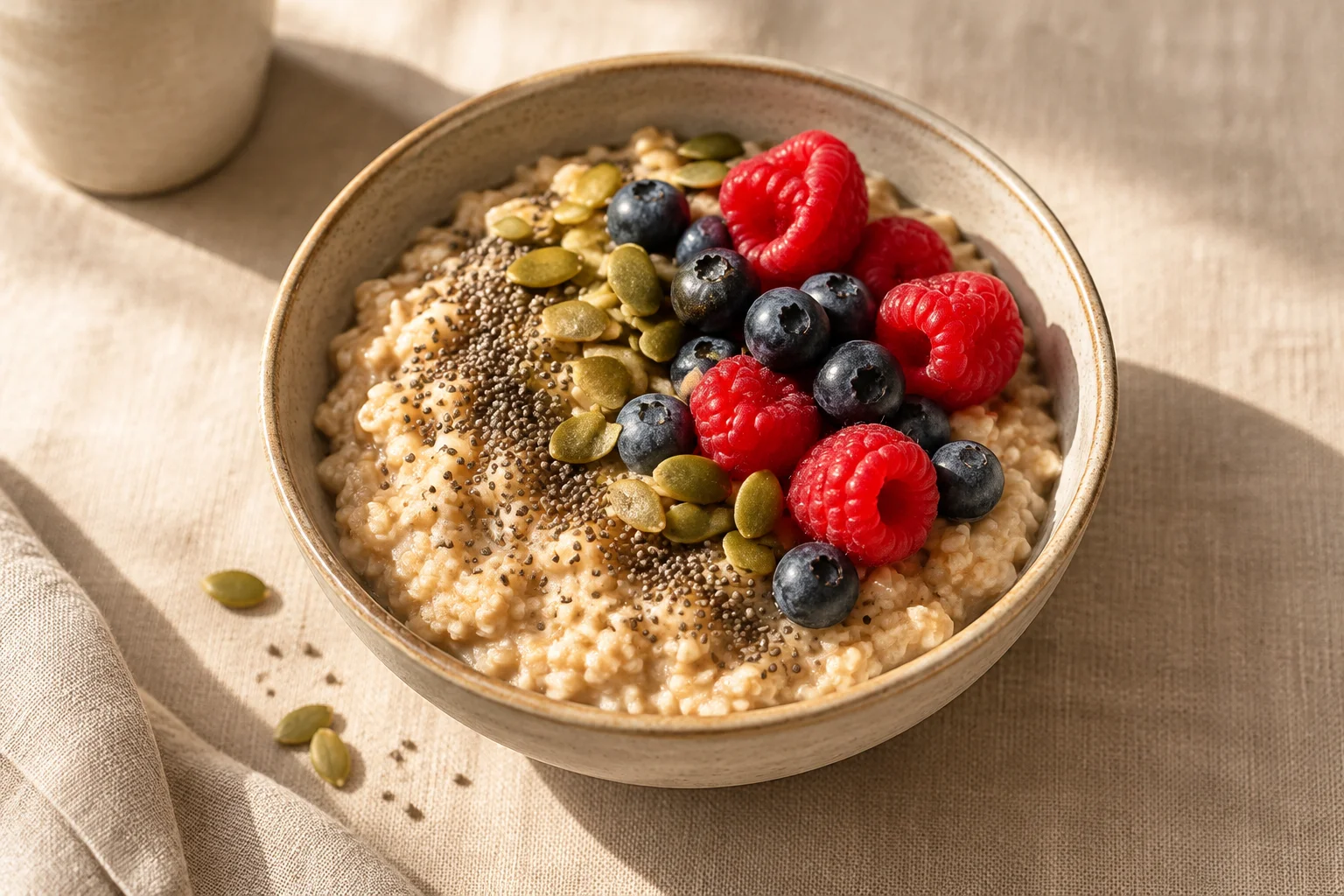
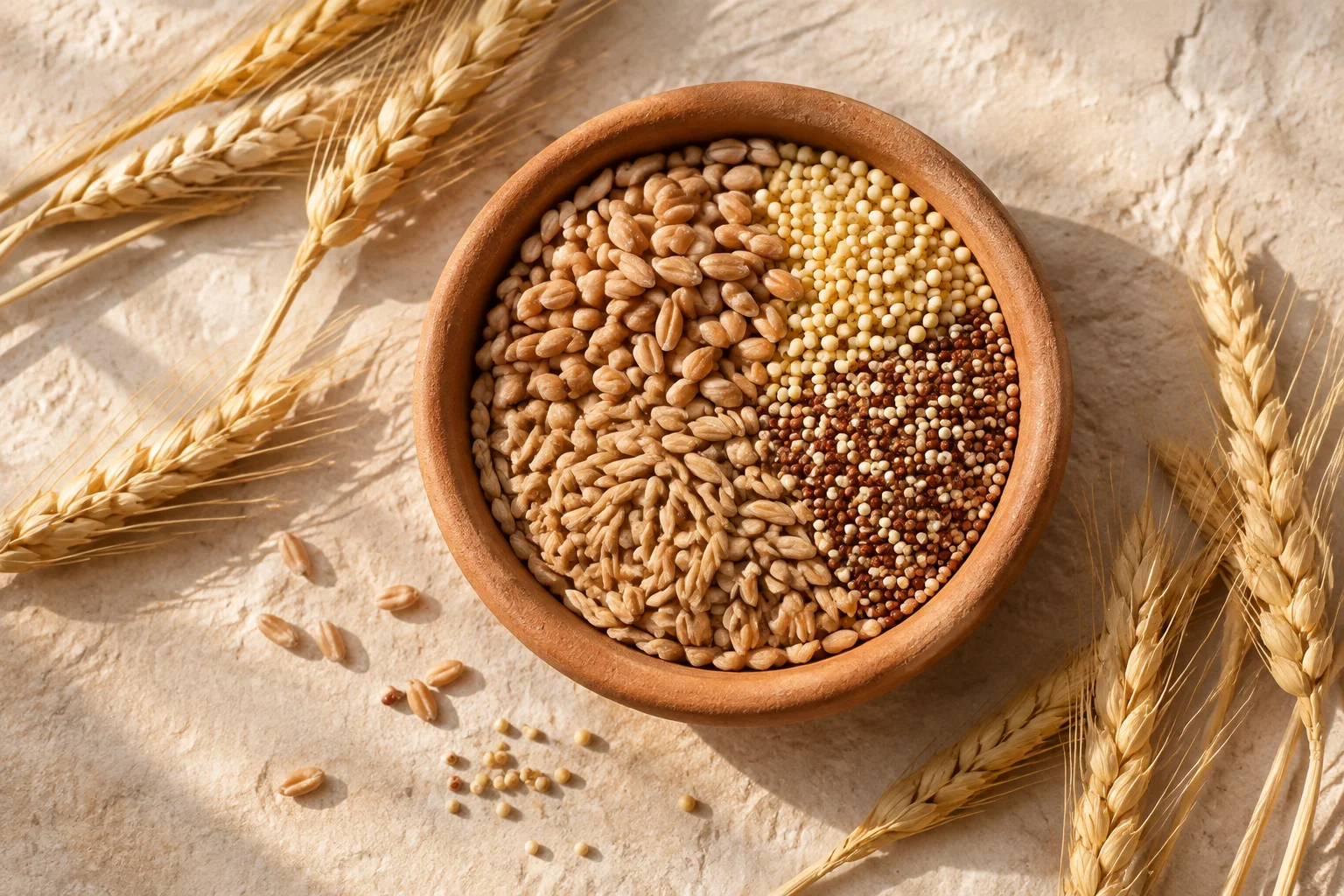
- Whole Intact Grains: Einkorn, wild rice, millet, and whole rolled oats offering sustained complex glucans.
- Legumes & Pulses: Lentils, chickpeas, and adzuki beans delivering resistant starch and prebiotic oligosaccharides.
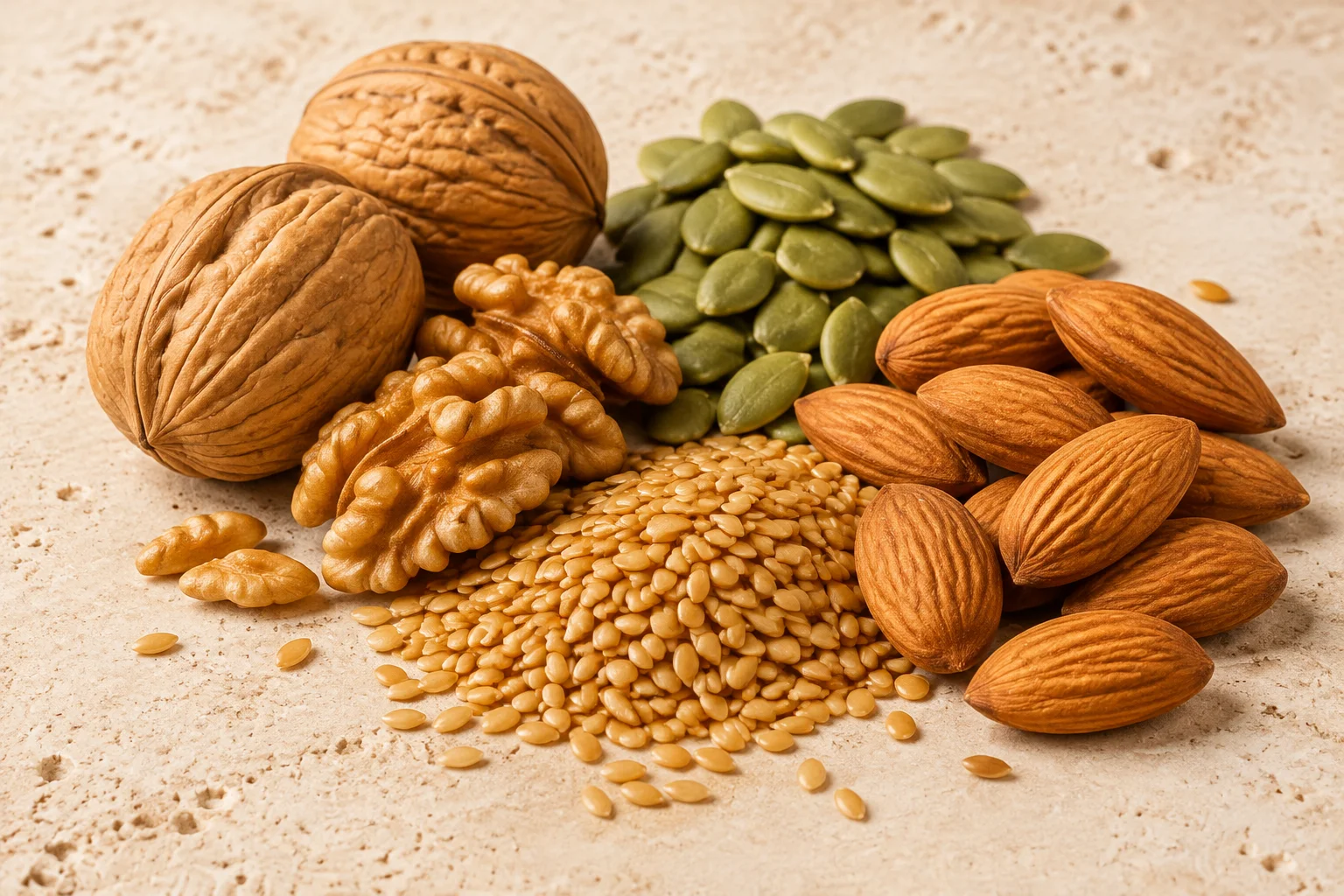
- Cold-Pressed Fats & Unroasted Seeds: Extra virgin olive oil, flaxseeds, walnuts, and pumpkin kernels rich in natural polyphenols.
- Pasture-Raised & Wild Proteins: Ethically sourced proteins offering complete amino acid spectra without sub-therapeutic antibiotic residues.
“Nutrients do not operate in theoretical isolation; their efficacy depends upon structural botanical and mineral cofactors.”
04. Essential Nutrients: Macronutrients, Fiber, & Micronutrients
The human metabolism relies on a precise hierarchy of organic compounds. Proteins serve structural remodeling; lipids underpin endocrine signalling and neural membrane stability; non-refined carbohydrates fuel bioenergetic pathways without precipitous glycemic spikes.
| Nutrient Category |
Primary Wholesome Source |
Biochemical Role |
Recommended Target |
| Soluble & Insoluble Fiber |
Legumes, psyllium, root vegetables |
Microbial SCFA synthesis, gut motility |
35g – 50g daily |
| Omega-3 Polyunsaturates |
Wild sockeye salmon, chia seeds, walnuts |
Cellular anti-inflammatory modulation |
1.5g – 2.5g daily |
| Chelated Magnesium |
Raw cacao, pumpkin seeds, dark greens |
Enzyme activation, ATP production |
320mg – 420mg daily |
| Polyphenolic Antioxidants |
Wild blueberries, green tea, aronia |
Neutralization of reactive oxygen species |
Broad colorful intake |
“If an ingredient list resembles a complex industrial patent, it belongs in a manufacturing plant, not on your kitchen table.”
05. Savvy Grocery Shopping: Ingredient Label Literacy
Marketing slogans on modern packaging frequently disguise refined products behind wholesome monikers like “all-natural” or “artisanal.” True literacy necessitates turning the carton over and scrutinizing the raw ingredient panel.
Avoid items containing hydrogenated oils, chemically modified starches, high-fructose corn syrups, mono- and diglycerides of fatty acids, and maltodextrin. A robust guideline is to seek out single-ingredient goods or transparent formulations where every component is recognizable as an agricultural harvest.
“Visual plate architecture eliminates the tedious burden of calorie counting while ensuring metabolic equilibrium.”
06. Principles of a: Balanced Plate
Rather than relying on tedious micro-measurements, configuring meal geometry creates sustainable adherence. The Harvard Healthy Eating Plate and traditional Mediterranean formats offer validated models.
50% High-Fiber Botanicals
Non-starchy crucifers, seasonal leafy varieties, roasted brassicas, and prebiotic root tubers delivering bulky dietary volume.
25% Clean Protein
Wild line-caught fish, tempeh, regeneratively raised poultry, pasture eggs, or heirloom black lentils.
25% Complex Slow Glucans
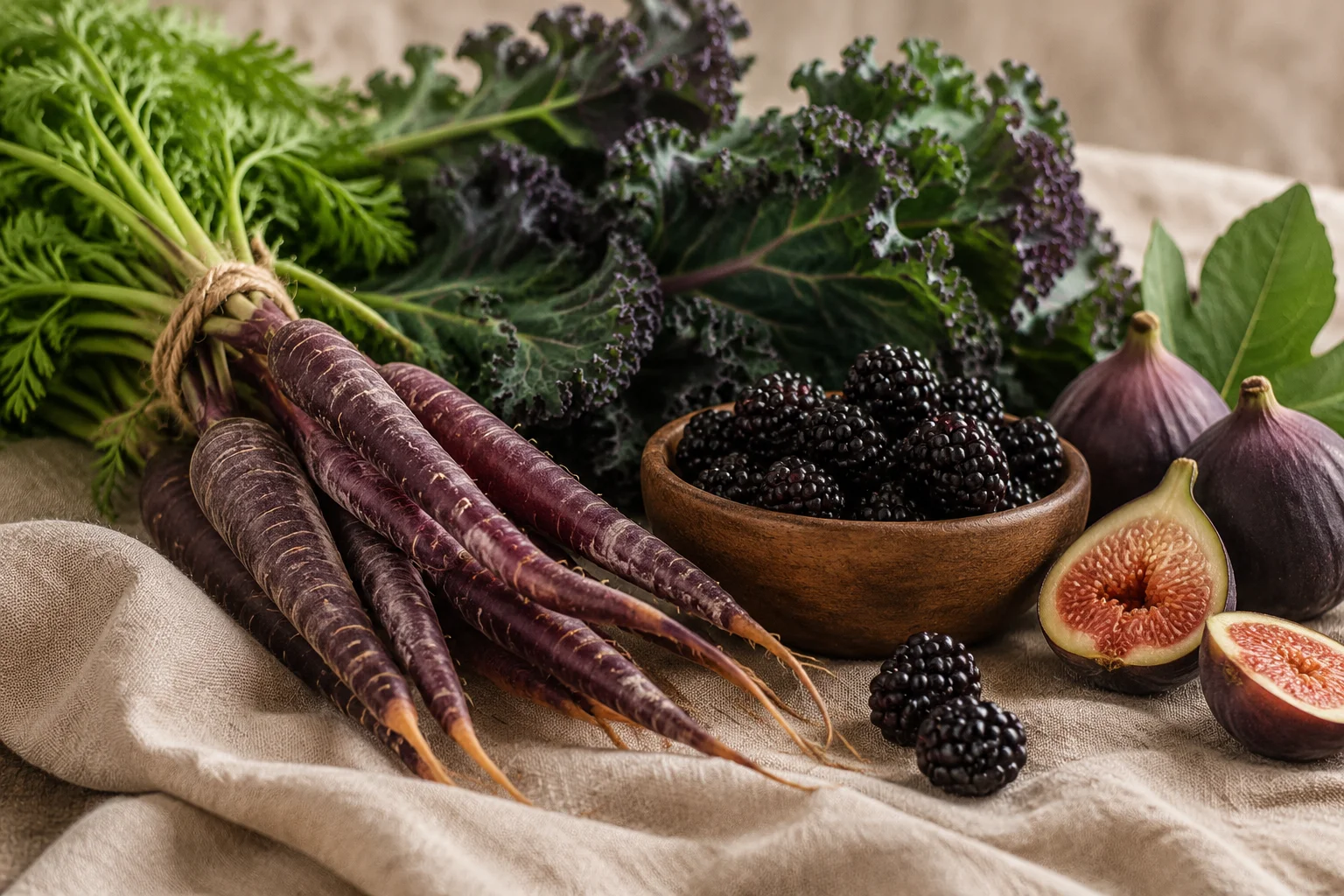
Quinoa, black forbidden rice, boiled purple sweet potatoes, or sprouted spelt berries.
Fat Dressing Addition
1-2 tablespoons of cold-pressed extra virgin olive oil, cold-cracked avocado, or unrefined tahini.
“Small, deliberate substitutions in daily kitchen staples compound into profound cellular adaptations.”
07. Healthy Swaps: Everyday Kitchen Staples
Transforming an entire pantry overnight generates resistance. Progressive substitution of refined commodities with functional equivalents ensures an enjoyable transition.
| Industrial Staple |
Wholesome Alternative |
Nutritional Advantage |
| Refined Seed Oils (Canola, Corn) |
Cold-Pressed Extra Virgin Olive Oil / Ghee |
Resistant to lipid peroxidation, rich in oleocanthal |
| Bleached Wheat White Flour |
Sprouted Ancient Grain Flour / Almond Meal |
Retains germ, bran, and essential B-vitamins |
| Refined Cane Sugar Syrup |
Pure Medjool Date Paste / Raw Meadow Honey |
Contains intrinsic minerals and fiber matrix |
| Synthetic Table Salt |
Unrefined Celtic Grey Sea Salt |
Provides over sixty bioavailable trace electrolytes |
“Dogmatic nutritional claims rarely withstand thorough biochemical scrutiny.”
08. Deconstructing: Common Nutrition Myths
Popular culture oscillates rapidly between extreme dietary trends, often confusing whole-food nourishment with commercial marketing dogmas.
Myth Debunked • Dietary Fats
Myth: Dietary fat intake inherently leads to adverse cardiovascular metrics and visceral fat accumulation.
Reality: Intact whole-food dietary fats—such as those found in avocados, extra virgin olive oil, nuts, and cold-water pelagic fish—are critical structural components for cell membranes and steroid hormone synthesis.
Myth Debunked • Carbohydrate Elimination
Myth: All carbohydrates cause systemic inflammation and must be purged entirely.
Reality: The human colonic microbiome thrives on resistant starches, inulin, and non-digestible structural beta-glucans present in legumes and heirloom whole grains.
“Consistency across a twenty-four-hour circadian window anchors blood glucose harmony and hormonal rhythms.”
09. Sample Balanced: Daily Nutritional Menu
The following menu serves as an illustrative daily framework demonstrating the practical integration of whole foodstuffs across ordinary schedules.
“Incremental, persistent micro-adjustments consistently outperform drastic dietary overhauls in long-term human psychology.”
10. Step-by-Step: Dietary Transition Strategy
Rapid, aggressive dietary purges rarely yield durable habit formations. An effective four-week strategy allows behavioral adaptations to solidify effortlessly.
- Phase One (Days 1–7): Hydration & Botanical Addition. Maintain current meals but drink clean filtered water upon waking and add two fist-sized portions of fresh greens to main meals.
- Phase Two (Days 8–14): Kitchen Pantry Filtration. Systematically replace refined culinary seed oils and ultra-processed breakfast cereals with extra virgin olive oil, eggs, and intact grains.
- Phase Three (Days 15–21): Legume & Fiber Expansion. Introduce diverse pulses, tempeh, or soaked beans three times per week to cultivate diverse microbiome phyla.
- Phase Four (Days 22–28): Mindful Sensory Eating. Eliminate device distraction during meals, chew thoroughly, and allow biological satiety signals to regulate termination of intake.
“Obsessive dietary perfectionism is itself an anti-nutritional psychological stressor.”
11. Pitfalls to Avoid: When Starting Your Journey
While enthusiasm is natural at the outset, common misconceptions can impede physiological equilibrium and social enjoyment.
- The “Health-Halo” Effect: Over-consuming packaged organic snacks that, while natural, are nevertheless calorically dense and laden with isolated syrups.
- Abrupt Fiber Surges: Multiplying dietary fiber by 400% within 48 hours without proportional water consumption, causing gastrointestinal distress.
- Nutritional Isolationism: Refusing to participate in communal social meals due to minor non-compliance with ideal standards.
- Neglecting Adequate Satiety: Cutting all refined items while failing to replace them with adequate healthy lipids, inducing severe reactive hunger.
“Nourishment is an enduring life ritual, not a thirty-day therapeutic intervention.”
12. Conclusion: Long-Term Perspective
A genuine relationship with wholesome nutrition transcends fleeting aesthetic fads and dogmatic rules. It is an intentional habit rooted in respect for ecological origins, seasonal produce rhythms, and internal biological cues. By aligning our plates with unprocessed, vibrant ingredients, we foster a resilient physiological environment that sustains lifelong mental focus and physical vitality.
Scientific Reference Citations
- Monteiro, C.A., et al. (2019). “Ultra-processed foods: what they are and how to identify them.” Public Health Nutrition, 22(5), 936–941.
- Sonnenburg, J.L., & Bäckhed, F. (2016). “Diet-microbiota interactions as moderators of human metabolism.” Nature, 535(7610), 56–64.
- Estruch, R., et al. (2018). “Primary Prevention of Cardiovascular Disease with a Mediterranean Diet.” New England Journal of Medicine, 378(25), e34.
- Willett, W., et al. (2019). “Food in the Anthropocene: the EAT–Lancet Commission on healthy diets from sustainable food systems.” The Lancet, 393(10170), 447–492.